If you invest more time in airport terminal lounges than at your very own dining table, your risk account looks different from the ordinary tourist. You navigate jet lag, recycled cabin air, elevation, confined aisles, and the occasional crazy dash with an incurable. Many trips finish uneventfully. Yet any person that has flown on a regular basis has actually seen the cabin lights snap on mid-cruise, watched the crew stride down the aisle with a clinical kit, or listened to the captain ask if there's a physician on board. These minutes unravel quickly. They are likewise the factor many frequent flyers add a first aid course or a CPR course to their traveling regimen, the same way they buy noise-canceling headphones or lounge access.
Airlines educate staff to handle medical events, and they do it well, yet assistance from a calmness, capable traveler can change the trajectory of an emergency. With modern first aid training, you find out not only exactly how to perform top notch CPR, however just how to triage typical in-flight troubles like fainting, low blood glucose, and serious allergies. The result is not a hero facility, simply a silent confidence that often maintains a manageable scenario from becoming a diversion.
Why clinical events feel various at 35,000 feet
On the ground, an ambulance is minutes away. At cruising altitude, help can be half an hour to a number of hours out, depending upon area and weather condition. The cabin environment moves the physiology. Lower cabin pressure indicates the partial pressure of oxygen drops compared to water level, which can unmask heart or lung issues in individuals that are borderline at baseline. Dehydration creeps up because cabin moisture is low. Stasis from prolonged resting predisposes to collapsing when somebody stands up swiftly, or to leg swelling and, in rare instances, deep capillary thrombosis.
Most in-flight issues are small: fainting, nausea, anxiousness, nosebleeds. But the small portion that are serious, like heart attack, stroke, or serious allergy, bring outsized effects. The time variable is severe. Heart attack survival goes down about 7 to 10 percent per minute without defibrillation and efficient breast compressions. On a plane, a well-placed automated exterior defibrillator and a spectator trained in CPR can bridge the gap before an emergency touchdown ends up being possible.
What a first aid and CPR course actually instructs you
People often envision first aid as a package and a plaster. Modern first aid and CPR training is more regarding prioritization, communication, and physiology than it is about tools. You learn to evaluate a scene, protect yourself and the person, and after that work down a simple algorithm: inspect responsiveness, call for help, open up the airway, begin CPR if required, control blood loss, and deal with for shock. You practice this on manikins and in realistic circumstances, duplicating the cadence of compressions and breaths up until your muscle memory holds.
A good first aid and cpr course covers just how to:
- Recognize heart attack promptly, provide high-quality compressions at the proper price and depth, and make use of an AED without hesitation. Manage choking in grownups, youngsters, and infants, consisting of when and just how to change from back impacts to abdominal thrusts. Stop serious bleeding with straight stress, loaded dressings, and tourniquet principles. Address fainting, hypoglycemia, bronchial asthma worsenings, and anaphylaxis, consisting of how to help with an epinephrine auto-injector. Improvise with minimal sources, which mirrors the reality of a cabin galley.
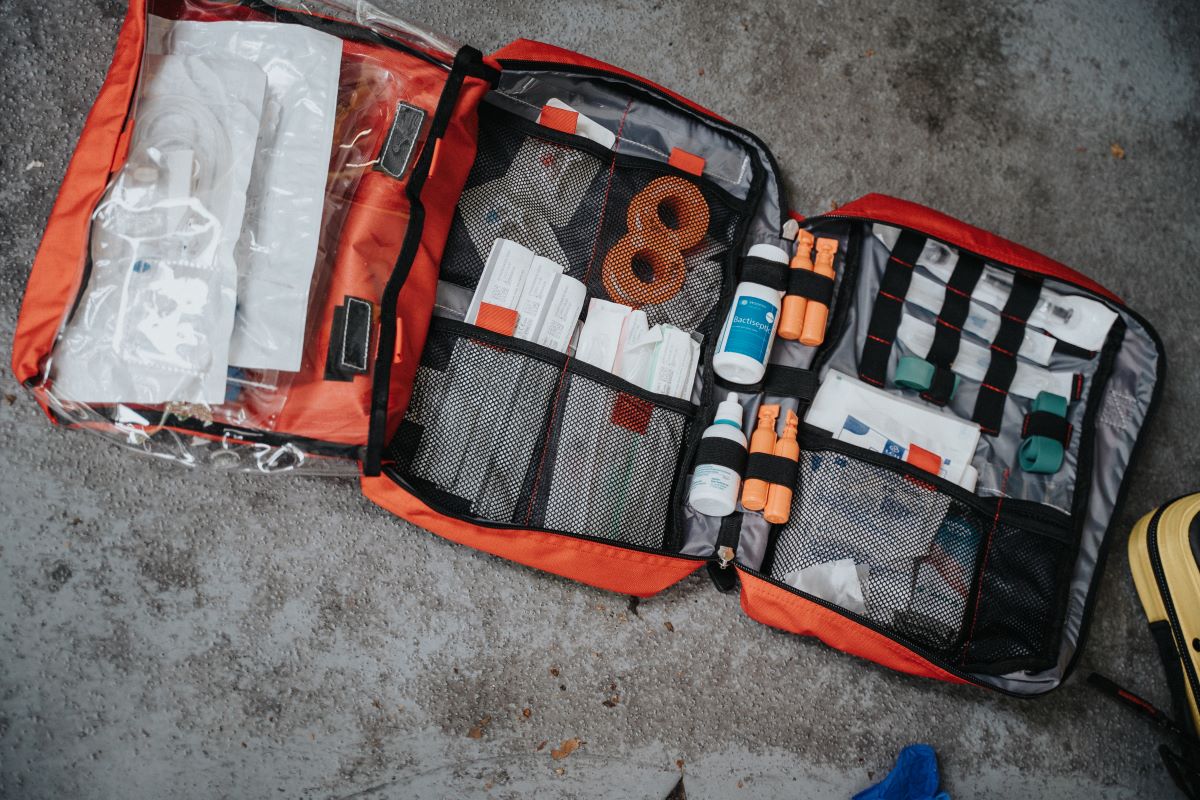
That last point issues. In an aircraft, you do not have an injury bay. You have the components of an onboard first aid kit and, on most commercial trips, a clinical set accessible to team or a medical professional under airline company plan. Even if you never open a package, recognizing when to place a woozy passenger level with legs raised or just how to coach slow breathing throughout a panic attack can soothe a stressful scene.
Specific skills that translate ideal at altitude
Not all training modules matter just as for tourists. Based on what really happens airborne, these abilities earn their keep.
CPR and AED use. Heart attack is rare in the cabin, but it is the one circumstance where secs matter and onlooker activity changes the end result. Modern cpr training stresses deep, rapid compressions, full breast recoil, and marginal disruptions. You will certainly also learn to operate an AED, which talks to you in ordinary language the moment you apply the pads. Airlines stock AEDs, and crew bring them swiftly once a medical issue is declared. Identify a difficult surface, swap in rescuers every two minutes when possible, and listen to the device.
Fainting and reduced blood pressure. Syncope is the most usual in-flight problem. Standing also quick, dehydration, warm, a long line for the bathroom, or a vasovagal response can do it. The solution is typically basic. Assist the person lie flat, boost the legs if there is no suspicion of injury, loosen up tight collars, and deal sips of water once they look out. Your words matter: tell what you are doing, maintain your tone also, and motivate slow-moving breathing. If the individual has diabetes mellitus or signs and symptoms symptomatic of reduced blood glucose, crew can supply juice, and your training aids you identify when sugar is the priority.
Breathing problems, from bronchial asthma to anxiousness. Air that feels thin, combined with stress and anxiety, can kick up hissing or hyperventilation. First aid courses instruct you to determine audible wheeze, placement the individual upright, and assist them utilize their own inhaler or spacer. For hyperventilation tied to anxiety, you discover basing methods and paced breathing. You do not require a paper bag. You do require patience and measured speech.
Allergic reactions. Peanuts hardly ever cause trouble from air-borne exposure alone, yet contact or consumption can. Identify anaphylaxis early: hives plus problem breathing or swelling, wooziness, or a feeling of doom. Crew have access to medical methods, and you might help with an epinephrine auto-injector. If the guest lugs their very own, help them utilize it in the outer upper leg via clothing. Time is oxygen. Epinephrine precedes, antihistamines later.
Bleeding control. Knocks to elbows, scalp cuts, or galley incidents occur. Direct stress with split napkins or gauze is typically sufficient. First aid training shows you exactly how to sustain stress without looking every ten secs, which is one of the most common mistake. For nosebleeds, lean ahead a little and pinch the pulp of the nose, not the bridge. Prevent packing nostrils with tissue unless blood loss is heavy.
Stroke acknowledgment. On long-haul flights with older passengers, you might see abrupt asymmetry in face, arm, or speech. FAST is the memory hook: Face first aid certification classes drooping, Arm weakness, Speech trouble, Time to call for aid. Cabin elevation can exacerbate signs and symptoms in people with borderline cerebrovascular get. You can not treat a stroke aboard, but you can start the clock, gather a history, and place the guest safely.
Choosing the appropriate course for regular flyers
The market is crowded. Look for programs that instruct first aid and CPR to existing resuscitation standards, use hands-on technique, and release a first aid certificate approved by companies or regulating bodies where you live. If you are commonly when driving, focus on mixed alternatives with online theory and short in-person skills sessions. A credible service provider will certainly publish course lays out, time needs, and recertification intervals. Some include travel-focused modules or situation technique in constrained rooms, which pay dividends.
Quality varies, and the trainer matters as high as the educational program. Trainers with clinical or prehospital histories bring nuance that scripted slides lack. You want instance tales, not simply bullet factors. When an instructor clarifies why they relocated a passing out guest to the galley flooring instead of the dive seat, you discover decision-making in addition to technique.

If your job requires it, pick a first aid and cpr course that lines up with your market. Aeronautics specialists adhere to certain requirements. Constant organization vacationers can choose a comprehensive first aid course that includes cpr training and AED usage, plus components on bleeding control, allergies, and ecological health problem. If you took a cpr course 2 years ago, think about a cpr refresher course. Skills decay quicker than individuals expect, and refresher courses reconstruct speed and accuracy.
What "great" resembles during an in-flight emergency
Medical occurrences irritate adrenaline. The goal is not theatrics, it is structure. The very best bystanders do three things well: they interact clearly with team, they keep the scene calmness, and they make constant, evidence-based choices. If you offer help, introduce on your own and give your degree of training. Team will certainly pair you with their checklist and equipment. Appoint easy tasks to other travelers if required, like bring water, moving bags, or securing the scene with blankets for privacy.
Consent and self-respect issue. Ask before you touch someone, and clarify what you intend to do. Speak slowly, keep your position low and your hands visible. If language is an obstacle, usage motions and simple words. A small information like covering an individual with a coat while they push the aisle floor modifications exactly how secure they feel and just how the cabin perceives the event.

As the scenario maintains, pass along a short history: symptoms, timing, medicine usage, recognized allergies, and anything eaten recently. File times if you can, especially when an AED delivered a shock or when epinephrine was given. These timestamps form decisions regarding diversion and overview paramedics on the ground.
Building a tourist's first aid mindset
Training sticks when you rehearse it in your own reality. Flight tosses you constraints that a class does not, so think through them prior to they appear.
Small areas. You can not swing arm joints in an aisle. During CPR, you may stoop in between seat rows with your shoulders piled over your hands. If a person falls down in a seat, you will certainly need to transfer them to a firm surface for efficient compressions. Deal with team to clear the row or make use of the galley floor, which is level and accessible.
Noise and crowding. Cabin noise masks refined cues. Family members may be disturbed. Curious eyes will gather. Ask crew to take care of the crowd, and focus your look on the patient's face and upper body. If you deliver rescue breaths with a pocket mask from the onboard package, secure the seal and expect chest rise, not sound.
Limited resources. On a plane, you generally have an AED, oxygen containers, masks, a first aid set, and, on many service providers, an enhanced clinical kit. You might not have all the sizes you desire. First aid training teaches improvisation. For padding under a head, make use of a folded coat. For light, ask somebody to utilize a phone flashlight. For hypoglycemia, juice or soft drink works, after that a mobile carbohydrate snack once they can chew safely.
The clock. You can not hurry a pilot's decision, and you do not need to. You require to keep the person alive and as stable as possible up until an airport appears under the nose wheel. Concentrate on the next action you control: compressions, placing, reassurance, or the second dose of epinephrine if anaphylaxis persists after 5 to fifteen minutes per method and a medical professional or crew method allows.
Packing a travel-sized first aid brain, not a suitcase
You do not need to haul an area medic set through safety. A compact, legal set of products can enhance your training without difficulty. Load a couple of adhesive bandages, a set of non-latex handwear covers, alcohol wipes, and your individual medications. If you carry an epinephrine auto-injector or inhaler, maintain them in your carry-on and tell your travel companion where they are. A slim CPR face guard is inexpensive and lives undetected in a passport pocketbook. The majority of circumstances settle with what the airplane supplies and what you know.
Many frequent leaflets keep PDFs of their first aid certificate on their phone or cloud storage, particularly if they support work trips or volunteer duties. The certificate itself first aid course enrollment is hardly ever asked for throughout a case, yet it maintains your recertification routine visible and prompts you to schedule a refresher prior to skills fade.
How training transforms the method you relocate with airports
First aid training does not make you distressed; it makes you watchful. You see the older guy hissing a little in the safety and security line and give him area without crowding him. You offer your aisle seat to an expectant lady who looks pale and clammy, due to the fact that you recognize access issues if she really feels pale. You top up on water before a lengthy market and miss the 3rd gin, recognizing exactly how dehydration and alcohol tangle with cabin elevation. This is not sanctimony. It is threat administration gained from study, from debriefs, from instructors that have actually seen a quiet low-blood-sugar episode change into confusion that terrified a cabin crew.
You likewise look at boarding differently. If you sense a cool beginning, you load cells and sanitizing wipes to prevent sharing it with your row. If you travel with children, you rehearse what choking appear like and what you would certainly do if it happened two hours right into a transatlantic hop. On a long flight with parents or in-laws, you inspect their drugs and time doses so an essential tablet is not buried in the hold when it is needed.
Keeping skills sharp between courses
A first aid course develops a structure. Without technique, the edges blur. Short, spaced refreshers make a difference. Enjoy a three-minute video on compression deepness every few months. Run a psychological simulation while seated at cruising elevation: if the individual across the aisle slumped onward right now, what would you do initially, second, third? This micro-rehearsal expenses absolutely nothing and smooths your response when the real telephone call comes.
When your schedule permits, publication a cpr correspondence course. These sessions are shorter than complete cpr courses, price much less, and focus on hands-on drills. Several suppliers send pointer emails near your expiry day. Do not overlook them. Skills are disposable, and what you practice under reduced anxiety is what you supply under pressure.
If your travel timetable is penalizing, ask for mixed or evening options. Service providers that collaborate with corporate vacationers comprehend the restraints and usually run compressed sessions that still satisfy criteria. Watch on standard updates as well. Resuscitation science progresses every five years or two, and while the https://rentry.co/pdak8szs principles continue to be, small modifications can improve outcomes.
What airline companies supply and exactly how to connect in effectively
Airlines standardize devices to minimize guesswork. Expect to see at the very least:
- An AED with voice prompts, grown-up pads, and typically a pediatric mode. Oxygen bottles with masks and flow regulatory authorities, commonly 2 to 4 liters per min for extended use and greater flows for brief bursts. A first aid kit with plasters, gauze, tape, bactericides, and basic supplies. An enhanced medical kit on many carriers, which could consist of epinephrine, antihistamines, aspirin, nitroglycerin, bronchodilators, and respiratory tract adjuncts, typically obtainable under staff treatments or with medical professional oversight by means of ground medical control.
Crew likewise have training cycles. They pierce their roles and make use of lists. Your value as an experienced guest shows when you align keeping that structure rather than freelancing. Ask, do not think. If you need the AED, request it; if you are supplying compressions, allow the staff manage the AED rhythm checks and evaluation to lessen disruptions. If several helpers appear, one person leads and tells, one more tracks time, a third brings tools. This coordination maintains power guided and calm.
Edge cases worth thinking through
Night trips over water. Diversions are slow. Fatigue is high. In these instances, your emphasis gets on continual measures: rotation of compressors during CPR, cautious surveillance for persistent anaphylaxis, and precise placing for breathing distress. Headlamps are rare, so phone flashes and above lights matter.
Travel to regions with limited ground clinical sources. On arrival, you might find slower emergency situation response. Throughout trip, your function does not alter, yet your expectancy does. Urge at-risk buddies to lug copies of prescriptions, and think about medical sharp jewelry for known conditions.
Travel with infants and senior relatives. Choking procedures vary by age. First aid courses instruct infant-specific methods that feel counterproductive in the beginning. Exercise them up until your hands keep in mind. For older grownups, moving them gently and preserving self-respect is as vital as speed.
Language obstacles. If the person or crew speak a different language, demonstrate more and talk much less. Show an inhaler activity, model sluggish breathing, indicate the thigh for epinephrine. Crew commonly consist of multilingual members, and fellow travelers can analyze. Keep guidelines in short, clear phrases.
The return on a quiet investment
Frequent leaflets are planners in mind. You optimize seat maps, meeting times, and transfer home windows. Adding a first aid and cpr course to that toolkit is not about anticipating calamity; it is about respecting the edge instances. The cash and time dedication are modest. In numerous cities, a mixed first aid and cpr course runs half a day to a complete day, with a first aid certificate valid for one to 3 years depending upon regional guidelines. Refresher sessions are even shorter. Some carriers, such as those concentrated on functioning specialists and shift employees, routine evenings or weekend breaks and maintain cohorts small for more hands-on time.
What you gain is out of proportion. On a flight from Sydney to Singapore, I viewed a software program consultant, fresh from a cpr training weekend, recognize a passing out spell in the galley prior to it came to be mayhem. He reduced the guest to the flooring, elevated legs with a cushion, directed slow-moving breathing while a flight attendant fetched juice, and maintained the space calmness with a few constant sentences. 10 minutes later, the passenger stayed up, pale however smiling. No diversion, no dramatization. That is the day-to-day reward of training: the episode that never ever makes the news because it never ever spiraled.
The uncommon, high-stakes moments tell their very own tale. When a cabin AED reveals "shock suggested," the next sixty secs specify a life. If you can kneel, put your hands, and press at the best rate without thinking of your joints, you give that individual a combating chance. Crew will certainly back you. The AED will certainly direct you. Your training will steady you.
Travel will always hold variables you can not manuscript. What you can manuscript is your preparedness. Reserve the training course. Maintain your cpr existing with a cpr correspondence course when due. Lug your tranquil onto the plane with your boarding pass. And when the lights snap on mid-cruise, you will not lean back and hope someone else stands. You will certainly unbuckle, present yourself, and do the job that requires doing, continuously and well.